What Are Waifu TCG Cards? The Complete Introduction
Updated July 1, 2026
The short answer
Waifu TCG cards are trading cards collected for the female anime character they feature rather than for gameplay. They exist across every major anime card game — One Piece Card Game, Weiss Schwarz, Union Arena, Pokémon (trainer cards), and more — and their value is driven by artwork quality, character popularity, rarity, and collector demand. The most expensive examples, like signed Weiss Schwarz SPs and One Piece manga rares, trade for four figures.
Explore the Waifu TCG Cards hub
A card market driven by characters, not gameplay
Most TCG value theory starts with playability: a card is worth what tournament decks will pay for it. Waifu cards break that model. A completely unplayable print of a beloved character routinely outprices the strongest meta card in the same set, because the buyer isn't a player — she or he is a fan of the character, and fans outnumber players in most anime franchises by a hundred to one.
That structural fact is why this corner of the hobby behaves more like art collecting than deck building. The questions that matter are: how good is the artwork, how loved is the character, how scarce is the print, and how deep is the demand.
Where waifu cards live
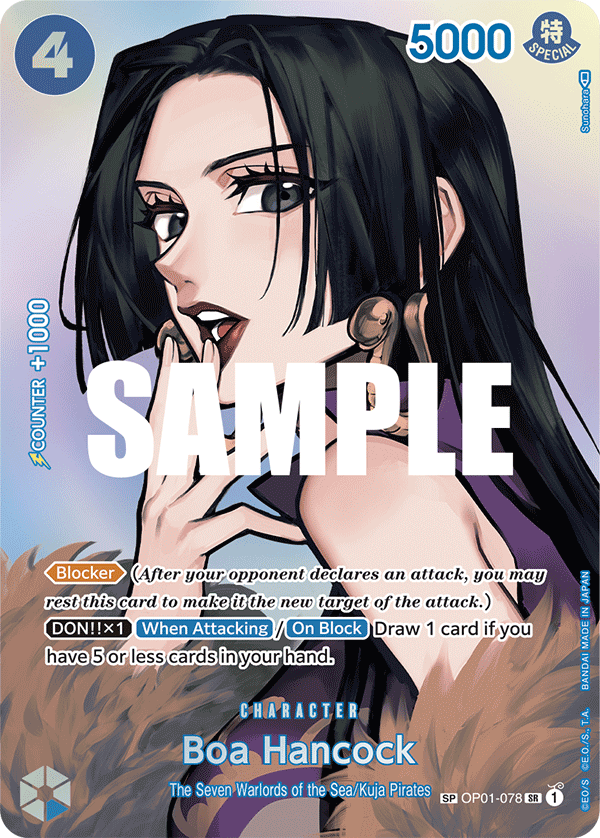
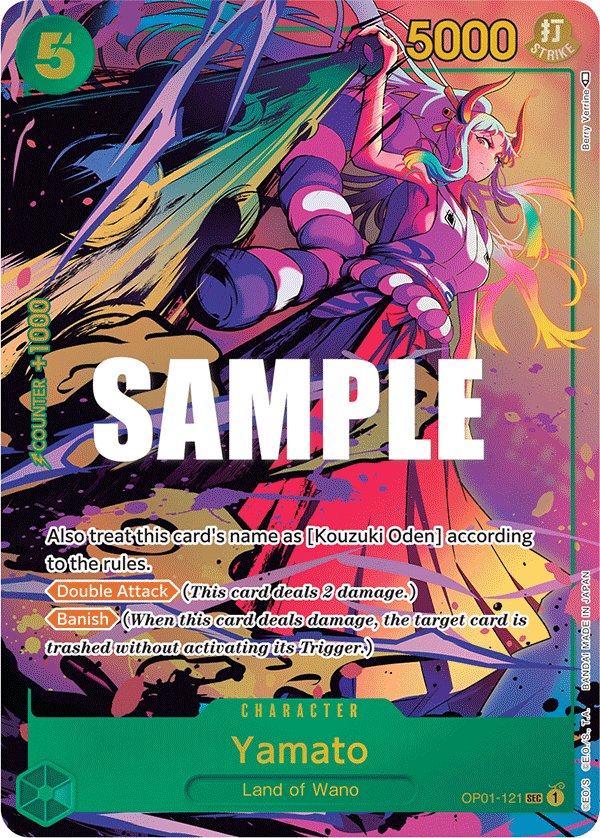
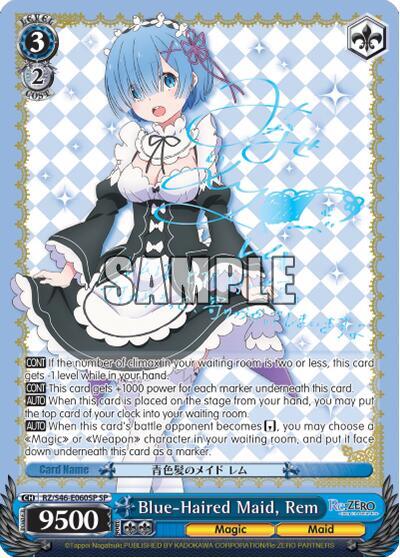
Every major anime TCG has a waifu-card market, each with its own flavor. The One Piece Card Game is the hottest modern market — its manga rares and SP alt arts of Nami, Boa Hancock, and Yamato lead price charts. Weiss Schwarz is the deepest: hundreds of franchises, and the signature 'signed SP' cards carrying foil-stamped voice-actress signatures. Union Arena is the value play, Pokémon's full-art female trainers are the most liquid, and collectible lines like Naruto Kayou are the cheapest entry point.
- One Piece Card Game — hottest market, manga rares and SPs
- Weiss Schwarz — deepest character coverage, signed SP grails
- Union Arena — best value, fast-rising star-rarity alt arts
- Pokémon TCG — full-art trainers, most graded and most liquid
- Naruto Kayou and other collectible lines — pocket-money foils

The rarity ladder
Nearly every character has prints at multiple price points: a base rare for a few dollars, a mid-tier SR foil, a premium alt art, and a scarce top slot (SEC, SP, SAR, or manga rare). The same character, the same fame — a $4 card and an $800 card. Learning your game's ladder is the single highest-value piece of knowledge in the hobby, and our glossary covers every tier name you'll meet.
How value works
We quantify collectibility with the Waifu Score: artwork 25%, character popularity 20%, rarity 15%, market value 15%, collector demand 15%, set importance 10%. The weighting reflects how the market actually prices these cards — artwork and character fame dominate, and rarity only matters when the first two are present. A rare card of a character nobody loves is just a rare card.
Frequently asked questions
- What does 'waifu' mean in card collecting?
- 'Waifu' is anime-fan slang for a beloved female character. In card collecting it labels the market segment where cards are bought for the character featured, not for gameplay strength.
- Are waifu cards a real investment?
- Top-tier prints of iconic characters have appreciated strongly over the past decade, but the market is young, sentiment-driven, and unregulated. Collect what you love first; treat appreciation as a bonus.
- What's the most famous waifu card?
- The OP01 Manga Rare Nami from Romance Dawn is the modern icon — it kick-started the One Piece TCG boom. Among veterans, the signed Rem SP from the Re:Zero Weiss Schwarz set is the long-standing grail.
Keep reading
Weekly Waifu Card Market Movers
One email a week: which waifu cards moved, which sets are about to drop, and where the quiet money is going. No spam, unsubscribe anytime.